September 2026 - The Clinical Edge
Medical Malpractice, Surgical Positioning, Prone Positioning
Prone Positioning Injuries in Surgery: Key Issues for Plaintiff and Defense Counsel
This newsletter highlights how injuries linked to prone positioning during surgery arise, the red flags to watch for in the record, and strategic considerations for both plaintiff and defense attorneys evaluating potential claims.
Understanding Prone Positioning and Related Surgical Injuries
The prone position—lying face down—is common in spine, neurosurgical, and certain orthopedic procedures. While medically necessary in many cases, it carries unique risks when padding, support, and monitoring are inadequate. These cases frequently appear in medical malpractice litigation because the injuries are often severe, life-altering, and, in some instances, preventable with proper technique and vigilance.
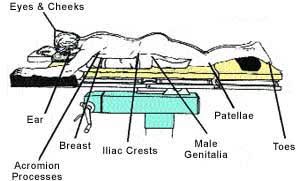
Common categories of prone positioning–related injuries include:
Peripheral nerve injuries (e.g., brachial plexus, ulnar, radial, peroneal) from traction, compression, or improper arm/leg positioning.
Pressure injuries such as facial, chest, pelvic, or knee pressure ulcers, skin breakdown, and deep tissue damage from prolonged contact with hard surfaces.
Ocular and visual injuries, including ischemic optic neuropathy or retinal damage, sometimes leading to partial or permanent vision loss.
Airway and facial complications, such as tongue swelling, facial edema, dental trauma, and airway obstruction after extubation.
Spinal and orthopedic complications when pre‑existing instability is not adequately protected during turning or positioning.
📌 Key Takeaway: Many prone positioning injuries stem from preventable issues—insufficient padding, poor alignment, inadequate documentation, or failure to reassess during lengthy procedures. For procedures longer than three hours, positioning assessments should be completed every two hours and documented.
Critical Red Flags Attorneys Should Watch For in the Record
Whether you represent the plaintiff or the defense, a careful review of the chart and supporting materials is essential. Several recurring issues tend to drive liability arguments and settlement value in prone positioning cases.
Incomplete or generic documentation of positioning: Look for vague entries such as “patient positioned prone” without detail on padding, headrest type, arm position, or pressure point protection. Missing detail can support plaintiff arguments or challenge defense credibility, depending on how it is framed.
Lengthy operative times: Extended procedures (especially > 6 hours) increase risk of pressure‑related and ocular injuries. Compare documented positioning checks and repositioning efforts to the procedure duration and anesthesia notes.
Pre‑existing risk factors: Obesity, vascular disease, diabetes, anemia, glaucoma, prior spine surgery, or known neuropathies heighten vulnerability. Evaluate whether these risks were identified, communicated, and addressed in the consent and intraoperative plan.
Inconsistent descriptions of arm or head position: Differences between surgeon, anesthesia, and nursing notes can be fertile ground for cross‑examination and expert disagreement about standard of care compliance.
Delayed recognition and response: Postoperative notes describing new weakness, numbness, or visual changes should be compared with response time, consultation requests, and diagnostic work‑up (e.g., neurology, ophthalmology).
AORN Protective Recommendations For Prone Positioning:
Primary Injury Risks
Postoperative visual loss (POVL)
• Brachial plexus and ulnar nerve stretch/compression
• Airway/facial edema•AORN Protective Guidelines Prone
Keep head neutral without excessive flexion or rotation.
• Use face positioners that suspend pressure completely off the eyes, nose, and chin.
• Use dual chest supports from clavicle to iliac crest to allow full chest/abdominal expansion.
Detailed review of positioning documentation often shapes liability theories and case value.
Strategic Considerations for Defense Counsel
For defense attorneys, early case assessment should focus on standard‑of‑care compliance, foreseeability, and causation. Prone positioning injuries are often complex, and not every adverse outcome is negligent. Building a credible, medicine‑driven narrative is critical.
Highlight known, inherent risks: Many prone‑related injuries—particularly certain nerve injuries and visual complications—are recognized risks even with meticulous care. Confirm that informed consent materials and preoperative discussions reflect these possibilities, and consider using institutional consent forms and patient education materials as exhibits.
Emphasize team‑based practices and policies: Demonstrate that the facility had written positioning protocols, checklists, and staff training. Show how nurses, anesthesia, and surgeons coordinated to protect pressure points, monitor hemodynamics, and reassess positioning during the case.
Challenge causation where appropriate: Some neuropathies and visual injuries may relate to underlying vascular disease, hypotension from necessary anesthesia management, or pre‑existing conditions rather than mechanical positioning alone. Engage experts early to parse differential diagnoses and timelines of symptom onset.
Address documentation gaps proactively: If positioning notes are sparse, consider deposing staff to reconstruct typical practice and institutional standards. Jurors may accept credible testimony about routine conduct if it aligns with policies and expert opinion, even when charting is less than ideal.
💡 Pro Tip for Defense: A well‑qualified anesthesia or perioperative nursing expert who can walk a jury step‑by‑step through safe prone positioning often carries significant persuasive weight.
Strategic Considerations for Plaintiff Counsel
Plaintiff attorneys evaluating a potential prone positioning case should focus on preventability, clarity of injury, and the client’s long‑term functional impact. These cases can be expert‑intensive but often justify the investment when damages are substantial and liability is well supported.
Assess the “before and after” story: Document the client’s baseline strength, sensation, and vision, and contrast that with postoperative deficits. Strong testimony from family, co‑workers, and treating providers about functional changes can be compelling to juries and adjusters alike.
Scrutinize positioning details and monitoring: Look for arms abducted beyond recommended angles, excessive neck rotation, direct eye pressure, or lack of pressure‑relieving devices. Compare the facility’s policies, manufacturer instructions for supports, and specialty society guidelines to the care actually delivered.
Consider multiple defendants: Responsibility may be shared among the surgeon, anesthesiologist, circulating nurses, surgical techs, and the hospital or ambulatory surgery center. Evaluate each party’s role in planning, executing, and supervising positioning, as well as policy development and staff training.
Develop the life‑care and economic picture early: Nerve damage or vision loss can permanently limit employment and independence. Engage vocational and life‑care planning experts to quantify future care needs, assistive devices, and lost earning capacity to support settlement negotiations and mediation.
📌 Key Takeaway for Plaintiffs: The combination of clear postoperative deficits, weak documentation, and deviation from written policies often creates strong leverage for resolution.
Closing Thoughts for Both Sides
Prone positioning cases sit at the intersection of surgical technique, anesthesia management, and nursing practice. For attorneys on either side, success depends on understanding the medicine, identifying where systems worked or failed, and translating highly technical issues into a clear, credible story. Early expert involvement, meticulous record review, and attention to institutional policies will help you more accurately value these cases and advise your clients on risk, exposure, and resolution options.
References:
Pressure Injuries Related to the Positioning of Surgical Patients in the Operating Room and Identification of Associated Risk Factors: A Cross‐Sectional Study:
https://pmc.ncbi.nlm.nih.gov/articles/PMC12199711/
4 ways to Improve Intraoperative Patient Safety with Positioning Assessments:
https://www.aorn.org/article/4-ways-to-improve-intra-op-patient-safety-with-positioning-assessments
AORN Guideline Summary: Positioning the Patient:
https://aornjournal.onlinelibrary.wiley.com/doi/full/10.1016/j.aorn.2017.07.006
When a lawsuit hinges on a prone positioning injury, the difference between an unavoidable surgical risk and a breach of care lies entirely in the clinical details. Silver State Legal Nurse Consulting bridges that gap by looking beneath the surgical drapes for your firm. Backed by 13 years of hands-on nursing experience in the ICU and the operating room, I decipher complex intraoperative flowsheets and audit records for strict AORN compliance. I pinpoint exactly how an improperly placed chest roll or a flawed armboard angle can cause devastating nerve damage while the room is focused on the sterile field. Partner with us to protect your caseload and find Clarity in Medicine. Strength in Law.
Send us an email:
Give us a call or text:
(702) 482-9769