June 2026 - The Clinical Edge
Health, Pulmonary Embolism, Silent Injury, Risk Factors
The Silent Second Injury: Understanding Pulmonary Embolism
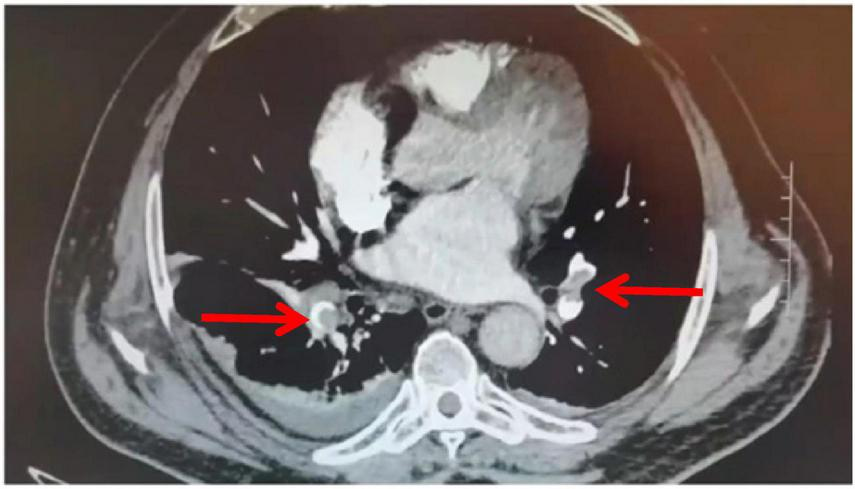
Pulmonary Embolism is often described as a “silent killer” for good reason. It can develop quietly after an initial injury, illness, or surgery, turning a seemingly manageable health problem into a life‑threatening emergency. By understanding how this silent injury happens, who is at risk, what symptoms to watch for, and which prevention strategies truly work, you can better recognize when a client’s complications may be linked to delayed diagnosis, inadequate monitoring, or failures in post‑operative care — critical insights for personal injury and medical malpractice attorneys evaluating potential claims.
What Is a Pulmonary Embolism?
To understand why Pulmonary Embolism is so dangerous, it helps to start with the basics of what is actually happening inside the body. A Pulmonary Embolism (PE) occurs when a blood clot, usually formed in the deep veins of the legs or pelvis, travels through the bloodstream and lodges in the arteries of the lungs. This blockage disrupts normal blood flow, reduces oxygen levels, and puts intense strain on the heart. In severe cases, it can cause sudden collapse and death within minutes if not treated quickly.
Most pulmonary emboli start as deep vein thrombosis (DVT) — a clot in a deep vein. When part of that clot breaks off, it becomes an embolus that can travel to the lungs. This is why doctors often talk about DVT and PE together as one condition called venous thromboembolism. The danger is not just the original clot in the leg, but the potential for a second, more serious injury in the lungs. This is where the idea of a “silent second injury” begins to take shape.
Why Pulmonary Embolism Is a “Silent Second Injury”
Building on that foundation, the phrase Silent Injury captures two key truths about pulmonary embolism. First, it often develops in the shadow of an earlier health event: a broken bone, major surgery, a long hospitalization, or even a long‑haul flight. The body is already recovering from a “first injury,” and attention is focused on wounds, incisions, or pain — not on the quiet risks forming deep within the veins. The second injury arrives later, unexpectedly, when a clot breaks free and travels to the lungs.
Second, pulmonary embolism can be “silent” in the sense that its early signs are often subtle, mistaken for something else, or completely absent. Some people have only mild shortness of breath or slight chest discomfort. Others may feel unusually tired and assume it is part of normal recovery. By the time severe symptoms appear, the situation may already be critical. This combination — delayed onset and easily overlooked warning signs — is what makes PE such a dangerous silent injury. For attorneys, this delayed and easily missed progression is often where questions about standard of care and timely intervention arise.
📌 Key Takeaway: A Pulmonary Embolism is often not the first problem; it is a hidden complication that can follow surgery, trauma, illness, or prolonged immobility. Staying alert after the “main” injury has healed is essential.
Who Is at Risk? Major Risk Factors for Pulmonary Embolism
Understanding why PE is so insidious naturally leads to the next question: who is most likely to develop it? Anyone can develop a blood clot, but certain Risk Factors make Pulmonary Embolism far more likely. For personal injury and medical malpractice attorneys, understanding these risk factors is key to spotting when a client’s PE may be tied to inadequate prevention, poor discharge planning, or missed warning signs in the medical record. This is especially true in orthopedic trauma cases, where PE is a common yet severe complication. Patients with lower‑limb fractures or other traumatic orthopedic injuries face a substantially higher risk of developing DVT because of reduced blood flow during immobility and heightened blood coagulation post‑injury — conditions that also increase the likelihood of pulmonary embolism if a clot dislodges.
Recent surgery or hospitalization: Major operations, especially hip, knee, abdominal, or cancer surgery, significantly raise clot risk. Being confined to a bed or chair for long periods slows blood flow, creating ideal conditions for clots to form. In orthopedic trauma patients, this combination of surgery, immobilization (casts, external fixators, traction), and tissue damage makes vigilant DVT and PE prevention legally and clinically significant.
Injury and trauma: Broken bones, severe muscle injury, or accidents can damage blood vessels and trigger clotting. The body’s natural response to injury includes forming clots, but sometimes this process goes too far. In lower‑extremity fractures, that same clot‑forming response can lead to DVT in the legs that later embolizes to the lungs, turning an initially survivable injury into a catastrophic second event.
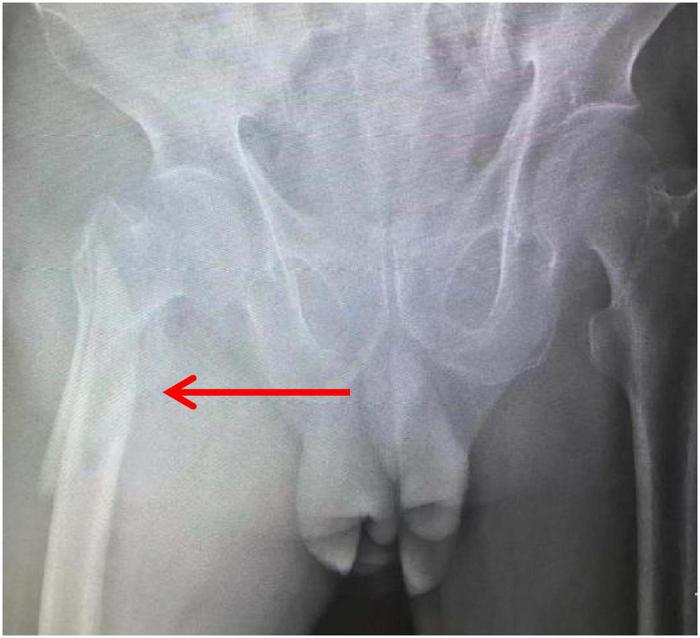
Femur fracture Prolonged immobility: Long‑distance travel, sitting at a desk for many hours, or being on bed rest can reduce blood circulation in the legs. This “stagnant” blood is more likely to clot, especially when other risk factors are present. Orthopedic trauma patients who are non‑weight‑bearing or confined to bed are a classic high‑risk group and should have clear, documented mobility and prophylaxis plans in their records.
Age and general health: The risk of Pulmonary Embolism increases after age 60, but it is not limited to older adults. People with heart failure, obesity, or chronic illnesses are also at higher risk because their circulation and mobility may already be compromised. When these comorbidities are combined with orthopedic trauma or surgery, the standard of care typically demands aggressive clot‑prevention strategies.
Hormones and pregnancy: Estrogen‑containing birth control pills, hormone replacement therapy, and pregnancy all increase clotting tendency. Pregnancy and the weeks after delivery are particularly risky times for venous clots and pulmonary embolism. For attorneys, these overlapping risks (hormones, pregnancy, trauma, and immobility) can be key when evaluating whether a provider appropriately assessed and documented clot risk.
Cancer and cancer treatments: Many cancers — and some chemotherapy drugs — raise the risk of blood clots. Tumors can release substances that promote clotting, and patients may also spend long periods inactive during treatment and recovery. When cancer patients sustain fractures or undergo orthopedic procedures, their cumulative risk of DVT and PE is especially high and often addressed explicitly in clinical guidelines.
Inherited clotting disorders: Some people inherit genetic conditions that make their blood more likely to clot. They might not know they carry these traits until a serious event like a Pulmonary Embolism occurs. In the context of orthopedic trauma, an undiagnosed clotting disorder can interact with immobilization and surgery to create a foreseeable, and often preventable, risk profile.
Having one risk factor does not guarantee you will develop a clot, but multiple risk factors together can dramatically raise the danger. For example, an older adult recovering from knee surgery, taking hormone therapy, and spending long hours in bed is at far higher risk than a healthy young person with none of these issues. For attorneys reviewing orthopedic trauma files, a lower‑limb fracture patient who later reports chest tightness and decreased oxygen saturation should immediately raise concern for PE — and prompt a close look at whether appropriate prophylaxis and diagnostic testing were ordered in a timely manner. This risk‑focused lens sets the stage for recognizing symptoms when they finally emerge.
Recognizing the Symptoms: When a Silent Injury Speaks Up
Once you understand who is at risk, the next critical step is knowing how Pulmonary Embolism actually shows itself. One of the most challenging aspects of Pulmonary Embolism is that its symptoms can range from barely noticeable to instantly life‑threatening. Some people never feel the warning signs of the original leg clot. Others experience vague symptoms that mimic less serious conditions like anxiety, a pulled muscle, or mild asthma. Still, there are common Symptoms that should never be ignored, especially if you know you have risk factors for clots.
Sudden shortness of breath: Feeling like you cannot catch your breath, even at rest or with minimal exertion, is a classic sign. It may come on abruptly and feel out of proportion to your activity level.
Chest pain or discomfort: PE‑related chest pain is often sharp and may worsen when you take a deep breath, cough, or lie down. Some people describe it as a stabbing or burning sensation rather than a heavy pressure.
Rapid heart rate or palpitations: Your heart may race as it struggles to push blood through blocked lung arteries. You might feel fluttering, pounding, or an irregular heartbeat.
Coughing, sometimes with blood: A persistent cough, especially when accompanied by blood‑streaked mucus, can signal a Pulmonary Embolism affecting the lung tissue.
Lightheadedness or fainting: Severe PE can drastically lower blood pressure, leading to dizziness, confusion, or collapse. This is a medical emergency requiring immediate attention.
Often, the symptoms of the original leg clot are present but overlooked. Signs of deep vein thrombosis include swelling in one leg, warmth, redness, and pain or tenderness — particularly in the calf. If these symptoms appear and you also notice shortness of breath or chest pain, the possibility of a Pulmonary Embolism should be taken very seriously — and, from a legal perspective, should prompt close scrutiny of whether treating providers appropriately recognized, documented, and escalated these red‑flag findings. Recognizing these early clues can be the difference between timely intervention and a catastrophic outcome..
⚠️ Warning: If you suddenly develop chest pain, difficulty breathing, or feel like you might faint — especially after recent surgery, injury, or long travel — seek emergency medical help immediately. Do not wait to see if it passes.
How Is Pulmonary Embolism Diagnosed and Treated?
When symptoms raise suspicion for this silent injury, the focus quickly shifts to confirming the diagnosis and starting treatment without delay. Because the symptoms of this silent injury can resemble many other conditions, doctors rely on a combination of medical history, physical examination, and specialized tests to confirm a Pulmonary Embolism. They will ask about recent surgery, immobility, travel, medications, and family history of clots — all key risk factors. D‑dimer is a highly sensitive marker and easily obtained blood draw for PE, and research shows that elevated D‑dimer levels within 24 hours of admission are an independent risk factor for occult pulmonary embolism. Blood tests, such as a D‑dimer, can help suggest whether a clot is likely, while imaging studies like CT scans of the lungs or ultrasound of the legs can look directly for clots in the veins or pulmonary arteries.
Once diagnosed, treatment usually focuses on preventing the clot from growing and stopping new clots from forming. This is most often done with blood‑thinning medications (anticoagulants). Drug prophylaxis with Low Molecular Weight Heparin (LMWH) is the most crucial, practical, measurable, and widely recommended preventive intervention in guidelines, and LMWH is frequently utilized in clinical settings to reduce the risk of both overt and occult PE. In life‑threatening cases — for example, when a massive clot blocks a large portion of the lung — doctors may use clot‑dissolving drugs (thrombolytics) or even surgical procedures to remove the clot. Many patients also need supplemental oxygen, close monitoring in a hospital, and a carefully planned follow‑up to manage long‑term risks. These same diagnostic and treatment decisions often become focal points in legal reviews of PE‑related cases.
Link to full article:
https://www.frontiersin.org/journals/medicine/articles/10.3389/fmed.2024.1355030/full
At Silver State Legal Nurse Consulting, we help bridge this clinical reality with the legal questions in your case. We analyze the medical record for appropriate use of D‑dimer testing, LMWH prophylaxis, and other standard‑of‑care interventions, then translate those findings into clear, objective insights for attorneys and their clients. If you are evaluating a potential pulmonary embolism or venous thromboembolism claim, feel free to give us a quick call to see how our clinical expertise and focused case review can bring clarity to complex facts.
Send us an email:
Give us a call or text:
(702) 482-9769