July 2026 - The Clinical Edge
Health, Chronic Pain Awareness
The Hidden Trauma Left Behind: Complex Regional Pain Syndrome
Complex Regional Pain Syndrome (CRPS) is a debilitating condition that often develops after an injury but lingers long after tissues should have healed. This article explores the hidden trauma of CRPS, its symptoms, and evidence-informed pain management strategies to support those living with persistent neuropathic pain.
What Is Complex Regional Pain Syndrome? Key Facts for Injury and Malpractice Cases
Complex Regional Pain Syndrome (CRPS) is a pain disorder that develops within 4–6 weeks following trauma to, or surgery performed on, an extremity. The characteristic symptom initially is strong, burning pain, usually out of proportion to the inciting event. This begins at the site of the initial trauma, then spreads regionally, “spilling over” across a whole region. Severe, abnormal skin and nerve hypersensitivity are the defining characteristics. Females are affected twice as frequently; increased risk also comes from having an upper extremity injury or suffering high-energy trauma. CRPS can lead to long-term, severe, persistent pain, as well as loss of function of the painful extremity. It is characterized by changes in the nervous system that lead to ongoing neuropathic pain, abnormal inflammation, and heightened sensitivity in the affected limb.
CRPS is relatively rare, but its impact is profound. Many individuals experience disruptions in work, relationships, and daily functioning. Early recognition and intervention are critical, yet the condition is frequently misunderstood or misdiagnosed, contributing to unnecessary suffering and delayed treatment.
Recognizing CRPS Symptoms Beyond the Initial Injury
CRPS symptoms often begin gradually and may evolve over time. While no two experiences are identical, common features include:
Continuous burning, throbbing, or stabbing pain that is out of proportion to the original injury
Pain from light touch or even a breeze, where even gentle contact or air movement can trigger intense discomfort (allodynia)
Skin that feels very hot or very cold, often fluctuating in temperature without an obvious external cause
Changes in skin color, such as red, purple, or pale discoloration around the affected area
Persistent swelling in the injured limb that may worsen with activity or changes in position
Muscle spasms, tremor, or weakness that interfere with coordination, grip strength, or the ability to bear weight
Hair and nails growing differently, including brittle nails, rapid or slowed growth, or hair loss on the affected limb
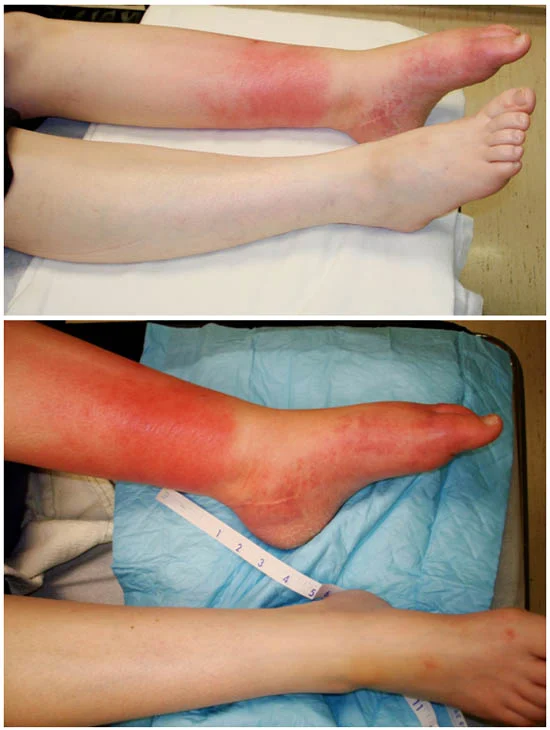
These CRPS symptoms reflect a nervous system that has become hypersensitized. The brain continues to interpret signals from the limb as threatening, even when the original tissue damage has resolved, leading to a persistent cycle of neuropathic pain and functional decline.
The Hidden Trauma of Living with Chronic Pain
The trauma of CRPS is not limited to the initial injury. For many, the most significant harm lies in the ongoing, invisible burden of chronic pain. This hidden trauma can manifest as anxiety, depression, sleep disturbance, and a deep sense of isolation when others struggle to understand the severity of the condition.
People with CRPS may face skepticism from colleagues, friends, or even healthcare professionals who cannot see the full extent of their limitations. For those pursuing a personal injury or medical malpractice claim, this disbelief can feel especially overwhelming, as they may be asked to repeatedly justify or “prove” their pain to insurers, defense experts, or even the legal system. Over time, this lack of validation can be as damaging as the physical pain itself, eroding trust, self-esteem, and hope. Recognizing the psychological and emotional dimensions of this hidden trauma is essential for truly comprehensive care—and underscores why trauma-informed, knowledgeable advocacy from personal injury and medical malpractice attorneys can be so critical in helping clients feel heard, believed, and protected.
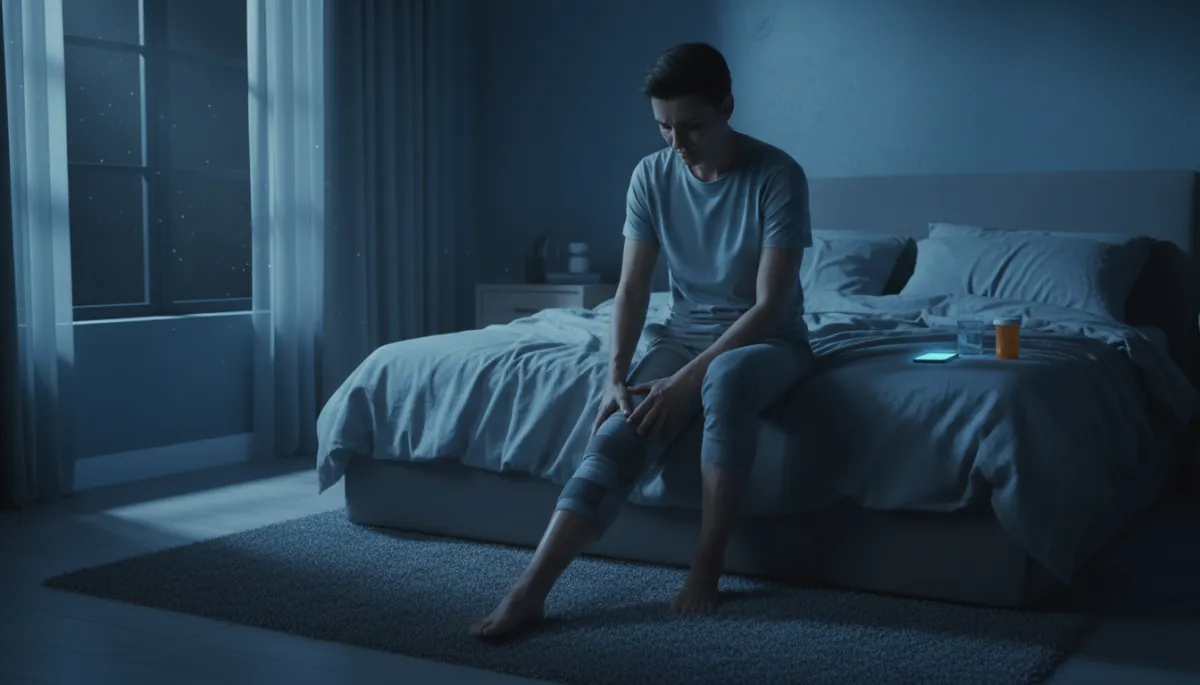
Nighttime flares of neuropathic pain can quietly erode sleep, mood, and resilience.
📌 Key Takeaway: Recognizing CRPS as a legitimate, complex condition is a crucial step in improving outcomes and preventing additional psychological trauma.
Neuropathic Pain and the Nervous System’s Role
CRPS is classified as a form of neuropathic pain, meaning it arises from dysfunction or injury within the nervous system itself rather than ongoing damage to muscles, bones, or joints. Nerves may misfire, sending repeated pain signals, while the spinal cord and brain amplify these messages, interpreting them as ongoing threats. For personal injury and medical malpractice attorneys, clearly explaining this mechanism can be critical in demonstrating that a client’s pain is rooted in objective neurological change—not simply in subjective reports—helping judges, juries, and insurers understand why symptoms can be severe and long‑lasting even when scans or X‑rays appear “normal.”
Over time, this altered signaling can change how the brain maps the affected limb, contributing to symptoms such as distorted body perception, motor difficulties, and exaggerated pain responses. When attorneys partner with knowledgeable medical experts to document these changes, they can more accurately capture the full scope of harm—supporting claims for future medical care, loss of earning capacity, and pain and suffering—and counter arguments that the client is exaggerating or that their condition is purely psychological. Understanding CRPS as a disorder of the nervous system—not a sign of weakness or exaggeration—is fundamental to developing compassionate, science-based care plans and to building strong, trauma‑informed legal advocacy.
Pain Management Strategies for CRPS: A Multidisciplinary Approach
There is no single cure for Complex Regional Pain Syndrome, but a combination of pain management strategies can significantly improve quality of life. Effective care usually involves a multidisciplinary team that may include pain specialists, physical and occupational therapists, and mental health professionals. For personal injury and medical malpractice attorneys, understanding these treatment pathways is essential: they form the backbone of claims for future medical expenses, rehabilitation needs, and long‑term support, and help demonstrate that a client’s care plan is reasonable, necessary, and grounded in current medical standards. Common components of treatment include:
Medications such as neuropathic pain agents, anti‑ inflammatory drugs, and, in select cases, nerve-blocking injections to reduce pain signaling
Physical and occupational therapy focused on gentle, graded movement to maintain mobility, prevent stiffness, and retrain the nervous system
Desensitization techniques, including gradual exposure to touch and temperature, to reduce hypersensitivity over time
Psychological support, such as cognitive behavioral therapy (CBT), to address the emotional impact of chronic pain and build coping skills
Self-management practices including pacing activities, stress reduction, sleep hygiene, and support groups to foster resilience and social connection
💡 Professional Insight: Early, coordinated treatment that addresses physical, neurological, and psychological factors offers the best chance of reducing CRPS symptoms and preserving function.
Resources:
https://pain.ucsf.edu/management-specific-pain-syndromes/complex-regional-pain-syndrome
Articles of Interest:
https://pain.ucsf.edu/management-specific-pain-syndromes/complex-regional-pain-syndrome
https://pmc.ncbi.nlm.nih.gov/articles/PMC8663875/
Because CRPS is a complex "invisible injury" without a definitive lab test, it can easily be missed and you could be settling your case for far less than it's true value.
Is your client experiencing disproportionate pain, burning, swelling, hypersensitivity to light touch, or any of the above symptoms after an injury or medical procedure?
Give Silver State Legal Nurse Consulting a call. We can help decode the timeline and medical trajectory of your case, saving you time while increasing it's value.
Send us an email:
Give us a call or text:
(702) 482-9769